
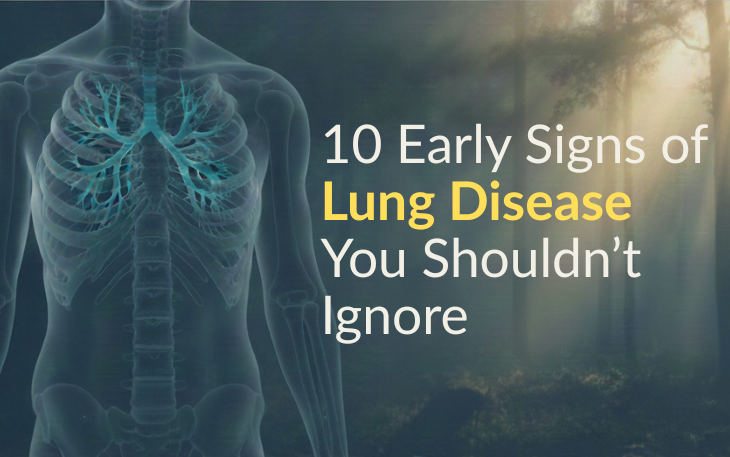
10 Early Signs of Lung Disease You Shouldn’t Ignore

Introduction
Your lungs work tirelessly, fueling every cell with oxygen. But unlike pain in the chest or fever, lung problems often start quietly. By the time symptoms appear, the condition may already have progressed. Recognizing the early signs of lung disease can lead to faster diagnosis and better treatment outcomes.
At Breathverse Clinic, our pulmonologists emphasize early detection as the key to long-term respiratory health. Below are ten warning signals your lungs might be trying to send you.
1. Persistent Cough That Doesn’t Go Away
A cough lasting longer than three weeks could signal chronic bronchitis, asthma, or even early COPD. If you notice thick mucus or blood in your sputum, seek a professional evaluation immediately.
2. Shortness of Breath During Routine Activity
Feeling winded while climbing stairs or walking short distances is not normal. Breathlessness can indicate narrowing airways, decreased lung capacity, or heart-related issues.
3. Wheezing or Whistling Sounds
Wheezing occurs when airflow through the lungs is restricted. Asthma, allergies, or infections such as bronchitis are common culprits. Proper diagnosis helps prevent permanent airway damage.
4. Chest Pain or Tightness
Sharp or persistent chest discomfort, especially when breathing deeply or coughing, may be related to inflammation, pneumonia, or pleural disease.
5. Frequent Respiratory Infections
Recurrent colds, bronchitis, or pneumonia can suggest weakened lung defenses. Early assessment ensures infections are treated before causing scarring or chronic illness.
6. Chronic Fatigue and Low Energy
When lungs can’t deliver enough oxygen, the body tires quickly. Persistent fatigue can accompany conditions like COPD or interstitial lung disease.
7. Unexplained Weight Loss
Sudden, unexplained weight loss may be associated with advanced infections or lung cancer. Always report drastic changes to your doctor.
8. Hoarseness or Voice Changes
A raspy voice lasting more than a couple of weeks might reflect inflammation or pressure on the vocal cords from nearby lung structures.
9. Swelling in Ankles or Legs
Fluid buildup may indicate that low oxygen levels are straining the heart—sometimes a sign of pulmonary hypertension or chronic lung disease.
10. Blue Fingertips or Lips (Cyanosis)
Bluish skin color suggests oxygen levels are dangerously low. This requires urgent medical attention.
When to See a Lung Specialist
If you experience two or more of these warning signs, schedule a check-up with a qualified pulmonologist. Breathverse Clinic offers Pulmonary Function Testing, Spirometry, and FeNO analysis to identify early-stage conditions accurately.
Preventive Tips for Healthy Lungs
- Quit smoking and avoid second-hand smoke.
- Wear masks in polluted environments.
- Maintain regular exercise for lung strength.
- Schedule annual lung health check-ups after age 40.
- Keep your home dust- and mold-free.
Conclusion
Your lungs rarely cry out for help until problems become serious. By recognizing the early signs of lung disease, you can take control of your respiratory health.
If you notice persistent cough, breathlessness, or fatigue, don’t wait—book a consultation with our pulmonology team at Breathverse Clinic today.
Together, we’ll help you breathe better, live healthier, and stay active for years to come.
FAQ's
1. Can early lung disease be reversed?
2. How do doctors test lung health?
3. What lifestyle habits protect lung function?
