

Why Pulmonary Function Testing is Essential for Smokers

Introduction
Every puff of a cigarette impacts your lungs — often silently, long before symptoms appear. Over time, smoking damages airways, reduces oxygen intake, and increases the risk of chronic lung conditions like COPD, asthma, and lung cancer.
That’s where Pulmonary Function Testing (PFT) comes in. It’s a simple yet powerful diagnostic tool that helps detect early changes in lung performance — even before noticeable symptoms begin.
At Breathverse Clinic, our pulmonologists use PFTs to evaluate how well your lungs are functioning and to guide personalized treatment plans. Understanding your lung capacity through testing is the first step toward protecting your breathing health — especially if you’re a current or former smoker.
What is Pulmonary Function Testing?
Pulmonary Function Testing (PFT) is a group of non-invasive tests that measure how well your lungs take in and release air, and how efficiently they transfer oxygen into your bloodstream.
The most common types of PFT include:
Spirometry: Measures how much air you inhale and exhale and how quickly.
Lung Volume Tests: Assess the total amount of air in your lungs.
Diffusion Capacity Test (DLCO): Evaluates how effectively oxygen moves from your lungs into your blood.
Impulse Oscillometry (IOS): Detects airway resistance for early disease signs.
Fractional Exhaled Nitric Oxide (FeNO): Monitors inflammation, especially in asthma or smokers.
These tests are painless, quick (usually under 30 minutes), and provide critical data about your lung condition.
How Smoking Affects Lung Function
Smoking introduces thousands of harmful chemicals, including tar, nicotine, and carbon monoxide, directly into your lungs. Over time, these toxins cause:
Airway inflammation and narrowing
Reduced elasticity of lung tissue
Destruction of alveoli (air sacs)
Decreased oxygen transfer efficiency
Even if you feel healthy, your lung function could already be declining. Pulmonary Function Testing helps reveal these silent changes early, allowing your doctor to intervene before irreversible damage occurs.
Why Pulmonary Function Testing is Vital for Smokers
1. Early Detection of Lung Damage
Lung diseases like Chronic Obstructive Pulmonary Disease (COPD) develop gradually.
By detecting abnormalities early, PFT allows for lifestyle changes, medication, and smoking cessation support that can slow disease progression.
2. Assessing the Impact of Smoking
PFT quantifies how much damage smoking has already caused. It measures parameters like FEV₁ (Forced Expiratory Volume) — a vital marker of airway obstruction.
Smokers often have reduced FEV₁ long before symptoms like cough or breathlessness appear.
3. Monitoring Progress After Quitting
Once you quit smoking, PFT helps track lung recovery over time. Improvements in results reinforce your progress, motivating continued tobacco-free living.
4. Differentiating Between Lung Conditions
Many smokers suffer from overlapping conditions like asthma, COPD, or chronic bronchitis.
Pulmonary Function Testing helps differentiate these, ensuring the right diagnosis and targeted treatment.
5. Preventing Severe Respiratory Events
By identifying airflow limitations early, doctors can prevent serious flare-ups, reduce hospitalizations, and improve overall breathing quality.
Who Should Get Pulmonary Function Testing?
You should consider getting a PFT if you:
Smoke or have smoked regularly for more than 1 year
Experience persistent cough, wheezing, or shortness of breath
Have a family history of respiratory illness
Work in environments with dust, fumes, or chemical exposure
Are planning to quit smoking and want to establish a lung health baseline
At Breathverse Clinic, we recommend annual Pulmonary Function Testing for all long-term smokers or ex-smokers over 35 years old.
How the Test Works
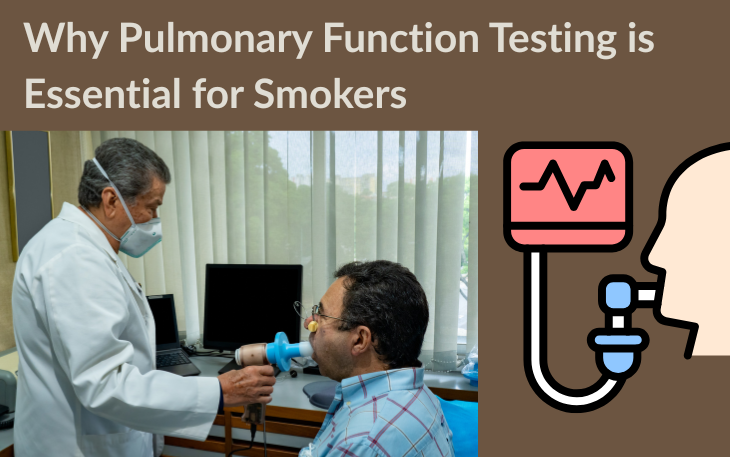
During a PFT, you’ll breathe into a mouthpiece connected to a spirometer or other device. You may be asked to inhale deeply and exhale forcefully several times.
The test is safe, non-invasive, and takes place in a calm, clinic-controlled setting.
Results are available immediately and reviewed by a pulmonologist to evaluate your lung capacity, airflow, and oxygen exchange efficiency.
Benefits of Pulmonary Function Testing for Smokers
Detects lung damage before symptoms appear
Helps doctors plan personalized therapy
Monitors improvement after quitting smoking
Reduces risk of COPD exacerbations
Motivates smokers through visible health data
Conclusion
Smoking silently affects the lungs long before symptoms appear. Pulmonary Function Testing gives smokers a powerful tool to monitor lung health, detect damage early, and take preventive action.
If you’re a smoker — current or former — scheduling a Pulmonary Function Test at Breathverse Clinic can be a life-changing decision.
Our specialists offer advanced testing, expert interpretation, and personalized care to help you breathe easier and live healthier.
FAQ's
1. Is Pulmonary Function Testing painful or risky?
2. How long does the test take?
3. Do I need to prepare before the test?
4. How often should smokers get a PFT?
5. Can PFT results improve after quitting smoking?
