

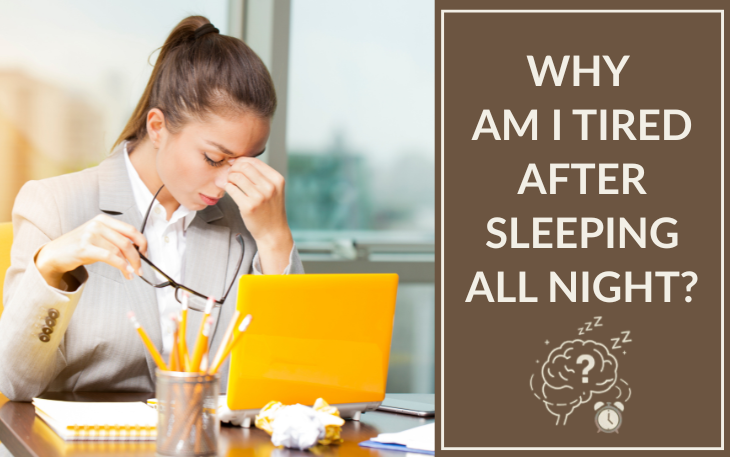
Why Am I Tired After Sleeping All Night?

Introduction
You go to bed on time, wake up eight hours later—and still feel exhausted.
If this sounds familiar, you’re not alone. Millions experience daytime fatigue even after a “full night’s sleep.”
Understanding the reasons for tiredness after sleeping can help you uncover hidden sleep problems, breathing issues, or lifestyle factors silently draining your energy.
At Breathverse Clinic, our sleep specialists often see patients who think they’re resting enough but actually aren’t reaching restorative sleep. Let’s explore what might be happening.
Poor Sleep Quality Despite Adequate Hours
You may spend enough time in bed but not enough time in deep, restorative stages of sleep.
Disrupted sleep cycles can leave you tired, foggy, and unrefreshed.
Common causes include:
- Frequent awakenings during the night
- Noise, temperature, or light disturbance
- Excessive screen use before bedtime
- Stress or anxiety interfering with relaxation
Sleep Apnea and Breathing Problems
One of the leading reasons for tiredness after sleeping is sleep apnea — when breathing repeatedly stops and starts during sleep.
These interruptions lower oxygen levels, prevent deep rest, and cause fatigue, headaches, and daytime sleepiness.
Stress and Mental Exhaustion
High stress and anxiety raise cortisol levels, preventing deep sleep even when you’re in bed for hours.
Your mind stays active, leading to restless nights and unrefreshing mornings.
🧘♀️ Try: Deep breathing exercises, meditation, or guided relaxation before bedtime.
Poor Lifestyle and Sleep Hygiene
Caffeine late in the day, heavy meals, alcohol, or late-night screen time can all affect your body’s circadian rhythm.
You fall asleep—but your body never truly rests.
Healthy sleep habits include:
Avoid caffeine after 2 PM
Turn off screens 30 minutes before bed
Maintain a regular sleep schedule
Nutritional Deficiencies
Low levels of iron, vitamin B12, and vitamin D can cause fatigue that mimics sleep deprivation.
These nutrients are vital for oxygen transport and energy production.
Ask your doctor about blood testing if tiredness persists even after proper rest.
Hidden Medical Conditions
Conditions like thyroid imbalance, diabetes, anemia, and depression can all contribute to tiredness after sleeping.
Consult your doctor for a full evaluation to rule out underlying issues.
Too Much Screen Time Before Bed
Blue light from phones and computers delays melatonin release—the sleep hormone—keeping your brain active longer than it should be.
Cut screen exposure an hour before bedtime for better quality sleep.
Shift Work or Irregular Sleep Patterns
Frequent changes in work shifts confuse your body’s natural rhythm.
This circadian disruption often leads to fatigue, poor focus, and mood swings.
Exposure to natural light in the morning and consistent sleep times on off-days can help reset your sleep cycle.
Respiratory or Oxygen Issues
Breathing difficulties from conditions like asthma or COPD can interfere with oxygen levels during sleep.
This results in poor oxygenation and morning fatigue.
Lack of Physical Activity
A sedentary lifestyle weakens your muscles, slows metabolism, and affects hormone balance.
Exercise increases oxygen circulation and promotes deep, restorative sleep.
Aim for at least 30 minutes of physical activity, five days a week.
When to See a Sleep Specialist
If you’ve made healthy changes and still feel exhausted, it’s time for professional evaluation.
At Breathverse Clinic, our experts perform:
Home Sleep Testing (HST)
Respiratory & Oxygen Assessments
These tests can identify the exact reasons for tiredness after sleeping, allowing for effective treatment and long-term relief.
Conclusion
Waking up tired every morning isn’t normal—it’s your body’s way of signaling that something’s wrong.
By identifying the reasons for tiredness after sleeping, you can take control of your health, energy, and productivity.
At Breathverse Clinic, we use advanced diagnostics and personalized care to help you sleep better and feel better.
FAQ's
1. Why do I feel tired even after 8 hours of sleep?
2. How do I know if I have sleep apnea?
3. Can nutritional deficiencies cause tiredness?
4. How can I improve sleep quality naturally?
5. How can Breathverse Clinic help?
